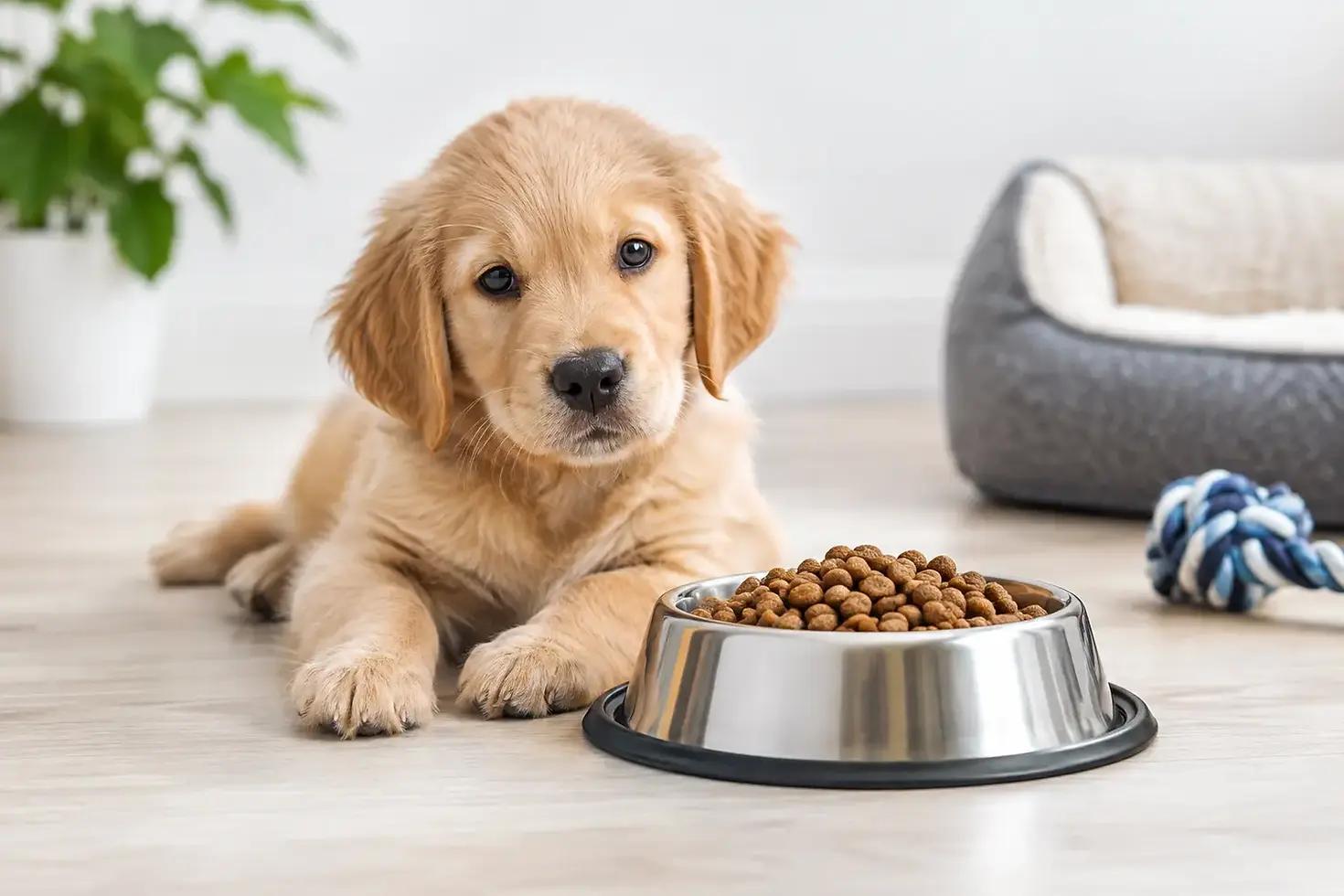
Puppy Nutrition Guide for Healthy Early Growth
The first weeks home can make a food bowl feel like a big responsibility. A reliable puppy nutrition guide gives you a practical place to start: feed a complete growth diet, serve the right amount for your puppy’s size and age, and adjust as that little body changes fast. Good nutrition supports more than a shiny coat. It helps build bones, muscles, brain function, immunity, and the steady energy puppies need to explore, train, and rest.
Your puppy does not need a trendy feeding plan or a cabinet full of supplements to thrive. They need consistency, high-quality food, fresh water, and an owner who pays attention to their individual needs. That is premium pet care curated with heart - simple, dependable choices that help your newest family member get off to a strong start.
A Puppy Nutrition Guide Starts With Growth Food
Choose food labeled as complete and balanced for growth or for all life stages. This language means the formula is designed to meet recognized nutritional standards for growing dogs when fed as directed. Adult maintenance food is not the same thing. Puppies use more calories and specific nutrients as they develop, so an adult formula may fall short during this critical stage.
Look for a statement on the package confirming the food is formulated for growth. If you are raising a large-breed puppy expected to reach 70 pounds or more as an adult, choose a formula specifically made for large-breed puppy growth. These diets are carefully balanced for mineral levels and calories, which matters because rapid, uncontrolled growth can place extra stress on developing joints and bones.
Dry kibble, canned food, and fresh refrigerated diets can all be appropriate when they are complete and balanced for puppies. The best format often depends on your budget, your puppy’s preference, storage needs, and what you can serve consistently. Kibble is convenient and can make portioning easy. Wet food may appeal to picky eaters and adds moisture. Fresh food can be a good option for some families, but it requires careful handling and usually costs more per meal.
A food’s ingredient list can be useful, but it should not be the only deciding factor. Terms such as “natural,” “premium,” or “grain-free” do not automatically make a diet better for every puppy. Unless your veterinarian has identified a particular sensitivity, grains can be part of a healthy, balanced canine diet. Focus first on nutritional adequacy, the appropriate life stage, dependable quality control, and how your puppy actually does on the food.
Feed for Age, Size, and Body Condition
Package feeding charts offer a starting point, not a permanent rule. They are usually based on your puppy’s current weight and expected adult size, but activity level, metabolism, breed, and growth rate all affect calorie needs. Use the chart for the food you are serving, then watch your puppy and adjust gradually.
Young puppies generally do best with several small meals a day. From weaning through about 12 weeks, three to four meals is common. Many puppies between 3 and 6 months do well on three meals. Around 6 months, many can transition to two meals a day, although very small breeds, highly active dogs, and puppies with veterinary guidance may need a different schedule.
Avoid leaving a full bowl down all day unless your veterinarian recommends free-feeding. Scheduled meals help you notice changes in appetite, make house training more predictable, and prevent some puppies from overeating. Measure meals with a real measuring cup or a kitchen scale rather than estimating by eye. A few extra scoops each day can add up quickly for a small dog.
Body condition tells you more than the number on a scale alone. You should be able to feel your puppy’s ribs with light pressure, see a gentle waist when viewed from above, and notice an abdominal tuck from the side. Prominent ribs, low energy, or stalled growth may mean your puppy needs more food or veterinary attention. No visible waist, difficulty feeling the ribs, or rapid weight gain may call for a careful reduction in portions. Make small changes, then reassess over a week or two.
Build a Routine That Supports Training
A regular meal schedule does more than nourish your puppy. It creates useful structure for training and daily life. Serve meals in a quiet spot, give your puppy 10 to 15 minutes to eat, then pick up the bowl. Take them outside shortly afterward, especially when they are young.
Keep fresh, clean water available throughout the day. Water should not be restricted to prevent accidents. Instead, build more frequent potty breaks into the routine. If your puppy suddenly drinks far more or far less than usual, contact your veterinarian.
Treats are part of training, bonding, and plain old puppy joy, but they count toward the day’s calories. Keep treats and table extras to about 10 percent or less of total daily intake. For a tiny puppy, even several large biscuits can replace a meaningful part of a meal. Break treats into pea-sized pieces, use part of the daily kibble allowance during training, or choose low-calorie rewards when you will be practicing often.
Chews deserve the same attention. Pick products appropriate for your puppy’s age and chewing style, supervise use, and remove pieces that become small enough to swallow. A chew that is too hard can damage young teeth, while a chew that splinters or breaks apart can create a choking risk.
Change Foods Slowly and Skip Guesswork
A sudden food change can cause gas, loose stool, or an upset stomach, even when both foods are good choices. When possible, transition over seven to 10 days. Start with mostly the current food and a small amount of the new formula. Increase the new food every few days while watching stool quality, appetite, and energy.
Slow down the transition if your puppy develops mild digestive upset. If vomiting, persistent diarrhea, lethargy, blood in the stool, facial swelling, or trouble breathing occurs, stop experimenting and call your veterinarian promptly. These signs can point to illness or a more serious reaction, not merely a food preference.
Homemade diets and raw diets require special caution for puppies. Growing dogs need precise levels of calcium, phosphorus, protein, fat, and essential vitamins. A recipe that seems wholesome can still be nutritionally incomplete, and raw ingredients can expose pets and people to harmful bacteria. If you want to feed a home-prepared diet, work with a board-certified veterinary nutritionist rather than relying on social media recipes.
Do not add calcium, multivitamins, fish oil, or other supplements without veterinary direction. More is not always better during growth. A balanced puppy food already supplies nutrients in planned amounts, and unnecessary additions can upset that balance.
Foods That Stay Off the Puppy Menu
Family meals can be tempting, especially when a puppy has mastered the hopeful stare. Some foods are dangerous even in small amounts. Keep chocolate, grapes and raisins, onions, garlic, xylitol-containing products, alcohol, caffeine, cooked bones, and heavily seasoned foods out of reach. Rich leftovers can also trigger vomiting, diarrhea, or pancreatitis.
If your puppy eats a potentially toxic food, call your veterinarian or a pet poison resource right away. Do not wait for symptoms, and do not try to induce vomiting unless a veterinary professional tells you to do so. Knowing what was eaten, how much, and when it happened will help them guide you.
Know When to Ask for Help
Routine veterinary visits are the best time to discuss feeding amounts, expected adult size, stool changes, and body condition. Bring the food label or take a clear photo of it, along with a list of treats, chews, and supplements. This gives your veterinarian the full picture instead of only the main meal.
Reach out sooner if your puppy repeatedly refuses food, loses weight, has ongoing diarrhea, vomits often, seems unusually tired, or grows much faster or slower than expected. Puppies can become dehydrated and unwell more quickly than adult dogs, so changes that linger deserve attention.
Feeding a puppy well is a daily act of care, not a test you have to pass perfectly. Choose thoughtfully, measure consistently, and let your puppy’s health guide the next adjustment. When families shop for everyday pet essentials through Luv My Pets, 10% of every purchase also supports training service and comfort dogs for veterans and first responders - one more way loving care can support a hero in need.


Comments