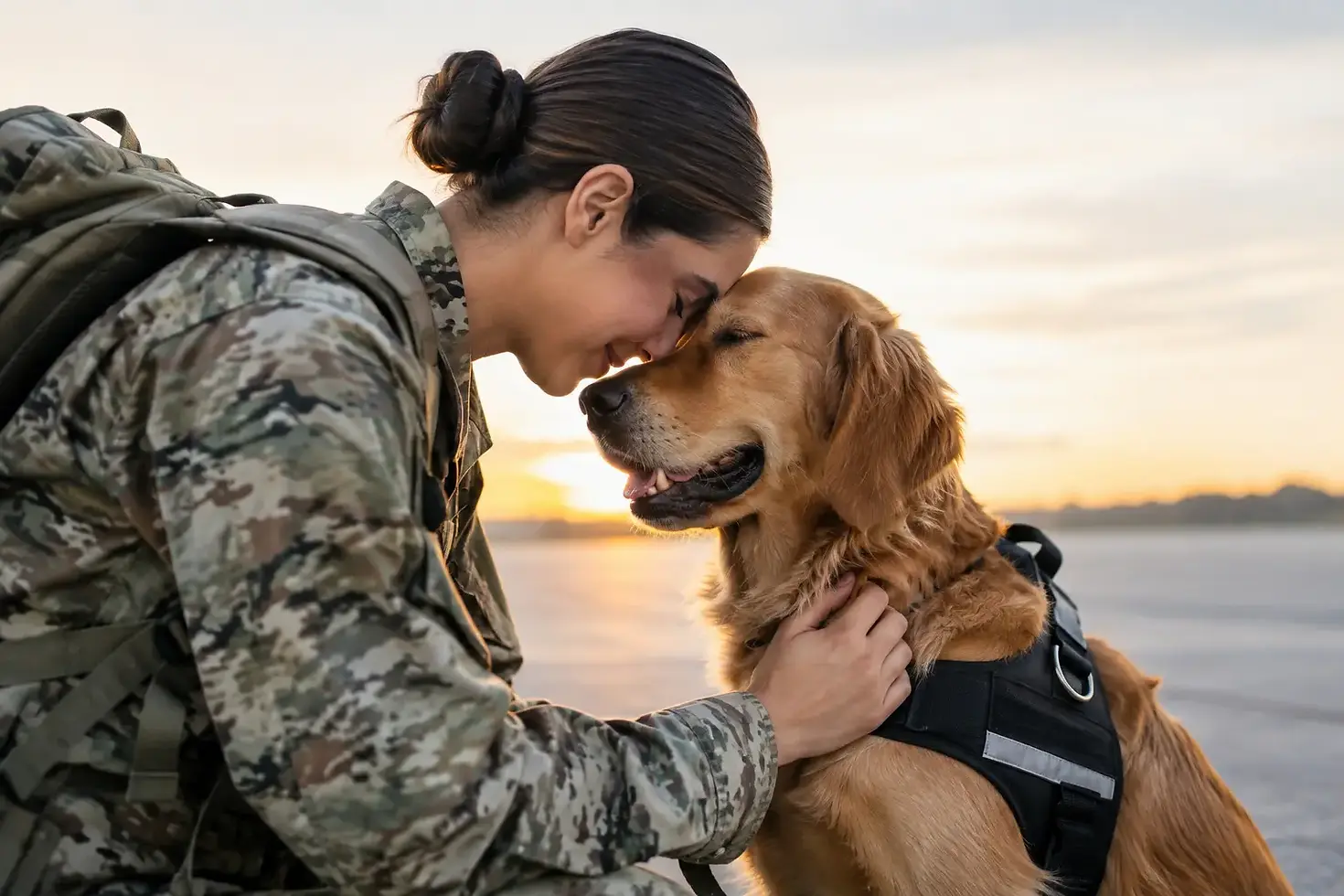
Comfort Dog Placement Stories That Honor Service
A dog does not erase the weight of a difficult deployment, an injury, grief, or a sleepless night. What the most meaningful comfort dog placement stories show is something more honest: a steady canine companion can help a veteran or first responder take the next small step forward. That might mean getting out of bed, walking outside, greeting a neighbor, or feeling less alone in a quiet room.
For the people receiving these dogs, the placement is not a photo opportunity or a simple handoff. It is the beginning of a relationship built on trust, training, patience, and daily care. For families and supporters, it is a reminder that practical help can be deeply personal.
What Comfort Dog Placement Stories Show Us
Every placement story is different because every hero's circumstances are different. Some veterans are adjusting to civilian life after years of service. Some first responders carry the emotional strain of calls most people will never see. Others are managing isolation, anxiety, mobility challenges, or the loss of the routine and camaraderie that once shaped each day.
A well-matched comfort dog can bring a calming presence into that transition. Dogs create a reason to follow a schedule. They need meals, exercise, grooming, play, and affection. Those simple responsibilities can give structure to days that otherwise feel unmoored.
Just as meaningful, dogs offer companionship without demanding an explanation. A person may struggle to put a hard experience into words, yet still find comfort in a dog resting nearby, leaning against their leg, or waiting at the door for a walk. That quiet consistency is often at the heart of these stories.
A placement is a match, not a moment
The most successful placements begin long before a dog arrives at someone's home. Trainers and program staff consider the person's lifestyle, household, needs, activity level, and experience with dogs. They also assess a dog's temperament, training, health, and ability to adapt to a new environment.
This is why one dog is not right for every person. An energetic dog may be a wonderful fit for an active veteran who wants a daily hiking partner, but overwhelming for someone who needs a calmer companion. A household with children, other pets, or limited space may require a different kind of match. Careful placement honors both the recipient and the dog.
That care continues after the initial introduction. Adjustment takes time. New routines must be learned, veterinary needs must be managed, and everyone in the household needs room to form a bond. The best stories include this middle chapter, not only the emotional first meeting.
The Quiet Changes That Matter Most
People often expect a comfort dog story to center on one dramatic breakthrough. Sometimes that happens. More often, progress comes in small, repeatable moments that slowly change a person's sense of what is possible.
A veteran who had stopped taking morning walks may begin again because the dog needs fresh air. A first responder who avoids social settings may feel more comfortable visiting a park with a companion at their side. A family may find that caring for the dog gives them a gentler way to reconnect after a stressful season.
These changes should not be overstated. A comfort dog is not a replacement for medical care, therapy, community support, or professional treatment. It can, however, be a meaningful part of a wider support system. The companionship, routine, and sense of purpose a dog provides may complement the care a person is already receiving.
There is also a reciprocal side to every placement. The dog receives safety, affection, stability, and a role within a loving home. When a placement is thoughtfully made, both lives are strengthened by the bond.
Comfort Dogs and Service Dogs: Why the Difference Matters
The terms comfort dog, emotional support animal, therapy dog, and service dog are sometimes used interchangeably in everyday conversation. They are not always the same, and the distinction matters.
A service dog is specifically trained to perform tasks that help a person with a disability. Depending on the person's needs, those tasks may include interrupting certain behaviors, retrieving items, providing balance support, or responding to medical cues. Service dogs have legal protections that differ from those of other companion animals.
Comfort dogs may provide emotional support, companionship, and calming presence, but they may not be trained for disability-related tasks or have the same public-access rights as service dogs. Therapy dogs typically work with their handlers to bring comfort to people in settings such as hospitals, schools, or community programs.
None of these roles is less valuable. They simply meet different needs. Honest placement stories respect those differences and avoid promising that a dog can solve every challenge. Clear expectations help recipients, families, and supporters understand what training and support are truly required.
Why Support for Training Changes the Outcome
A dog with the right temperament still needs skilled training, proper veterinary care, nutrition, equipment, and ongoing guidance. These services take time and resources. For many veterans and first responders, especially those whose needs are not covered by the VA, cost can stand between them and the support a trained dog may provide.
That is why mission-driven support matters. Funding dog training is not only about preparing a dog to follow commands. It helps create safer, more stable placements by supporting professional evaluation, matching, transition coaching, and follow-up care.
At Luv My Pets, 10% of every purchase goes to a veteran support fund that helps finance training for service and comfort dogs for veterans and first responders whose needs are not covered by the VA. It gives everyday pet and household shopping a larger purpose: care for your own companion while helping support a hero in need.
For customers, this is a straightforward way to take part. Quality food, treats, health essentials, and practical pet supplies are things many households already need. Choosing a retailer that gives back means those routine purchases can help move a future placement closer to reality.
How Families Can Honor the Journey
The desire to help often begins after hearing a powerful story, but meaningful support goes beyond sharing a heartfelt post. It means respecting the privacy of recipients, recognizing the work involved in training, and avoiding assumptions about what a person needs.
If you know someone receiving a comfort or service dog, patience is one of the greatest gifts you can offer. The first weeks can be joyful and tiring at the same time. New routines, boundaries, training exercises, and appointments may require focus. Ask how you can help in a practical way, whether that means dropping off a meal, offering encouragement, or simply giving the household space to settle in.
Pet owners can also honor these stories by caring well for the dogs already in their homes. Keep up with preventive care, choose nutrition thoughtfully, make time for exercise, and learn what helps your dog feel secure. The bond between a person and a dog is built in ordinary moments, long before it becomes a story someone else hears.
A Story Still Being Written
The most moving comfort dog placement stories do not end when a leash is placed in someone's hand. They continue in early-morning walks, training refreshers, couch naps, veterinary checkups, family laughter, and the steady return of confidence over time.
A dog may never know the full meaning of the service their person gave, or the hardship that followed. They only know the person in front of them - the voice they trust, the hand that offers dinner, the home they protect with all their heart. Sometimes that kind of loyal presence is where healing finds room to begin.


Comments